
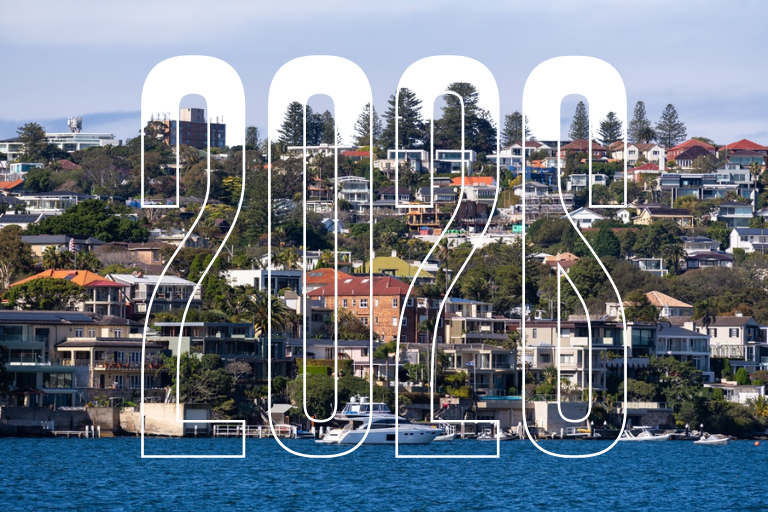
Opportunities, Risks and Smart Strategies
The Sunshine Coast has evolved from a relaxed holiday region into one of Australia’s most competitive residential property markets. In 2026, buyers are facing a very different landscape from the pre-pandemic years, i.e. higher prices, tighter supply, higher construction costs, stronger infrastructure investment from local government and increasing long-term demand.
For anyone considering buying a home or investment property in the Sunshine Coast this year, the key question is no longer whether the region has growth potential — it is whether buyers can still enter the market confidently and without overpaying.
2026 Sunshine Coast Market Snapshot
The Sunshine Coast property market remains strong in 2026, mainly due to;
- Population growth from interstate migration and off shore migration
- Lifestyle demand from remote workers and retirees
- Major infrastructure investment
- Tight housing supply
- Low rental vacancy rates
- Long-term Olympic-related development leading into Brisbane 2032
Property values on the Sunshine Coast have risen dramatically over the past five years, in many areas by more than 70%. Analysts expect growth to continue steadily, although at a slower and more sustainable pace than the explosive pandemic years.
Most forecasts suggest annual price growth of around 3–10% through 2026, depending on suburb and property type. Premium coastal locations may continue outperforming due to limited land supply and strong lifestyle appeal.
Long Term Potential in the Sunshine Coast
- Population growth is not slowing
The Sunshine Coast continues attracting residents from Sydney, Melbourne and Brisbane. Lifestyle migration remains a powerful force, especially among professionals who can work remotely and affluent retirees seeking coastal living.
Off shore migration has been steady over the past few years and this is forecasted to continue.
Some forecasts project the Sunshine Coast population could exceed 546,000 people by 2046.
That matters because population growth directly increases:
- Housing demand
- Rental demand
- Infrastructure spending
- Local business activity
- Long-term property values
- Housing supply remains tight
One of the strongest arguments for continued price growth is the persistent housing shortage.
Vacancy rates remain critically low, and new dwelling approvals are struggling to keep up with future housing targets.
This creates a classic supply-demand imbalance:
- More people want to live on the Sunshine Coast
- Not enough homes are being built
- Existing property becomes more valuable
Even if migration slows slightly, constrained supply is likely to keep prices elevated for years.
- Infrastructure spending is transforming the region
The Sunshine Coast is no longer viewed purely as a regional lifestyle market. It is increasingly becoming an economic and infrastructure growth corridor.
Key projects influencing property demand include:
- Maroochydore CBD development
- Rail upgrades linking Brisbane and the Sunshine Coast
- Bruce Highway improvements
- Health and education expansion
- Olympic-related infrastructure ahead of 2032
Infrastructure upgrades typically increase:
- Employment opportunities
- Accessibility
- Investor confidence
- Land scarcity in desirable areas
Buyers who position themselves near future transport and employment hubs may benefit significantly over the next decade.
Forecast for the Sunshine Coast Market (2026–2030)
Short-Term (2026–2027)
The market is likely to continue growing, but at a slower pace than the post-COVID boom years.
Mainly due to:
- Moderate price growth rather than explosive gains
- Strong competition for quality homes
- Increased buyer caution due to affordability pressures
- Continued tight rental conditions
- Greater differentiation between premium and secondary suburbs
Premium coastal suburbs such as:
- Noosa Heads
- Peregian Beach
- Sunshine Beach
- Buderim
- Mooloolaba
will likely remain resilient because affluent buyers are less sensitive to interest rates.
More affordable growth corridors such as:
- Palmview
- Baringa
- Aura
- Nambour
- Beerwah
may outperform on a percentage growth basis due to relative affordability and future infrastructure.
Medium-Term (2028–2030)
The Olympic lead-up period could become a major catalyst for Southeast Queensland property values.
By this stage:
- Infrastructure delivery should accelerate
- Interstate migration could strengthen again
- International attention on Southeast Queensland will increase
- Rental shortages may intensify further
However, affordability constraints will become increasingly important.
The Sunshine Coast is already transitioning from a “regional alternative” into a premium lifestyle market comparable to major metropolitan coastal zones.
Considerations for Buyers in 2026
Buy for the Long Term — Not Short-Term Speculation
The easy money phase of rapid property flipping is largely over.
In 2026, the Sunshine Coast rewards:
- Long-term holders
- Owner-occupiers
- Investors focused on quality assets
If you are buying, think in 7–15 year timeframes rather than expecting immediate gains.
Focus on Scarcity
Scarcity drives long-term capital growth.
Properties with the following characteristics are likely to outperform:
- Walkability to beaches or town centres
- Ocean views
- Large land parcels
- Low-density zoning
- Proximity to future infrastructure
- Renovation or redevelopment potential
Apartments may perform well in premium locations, but generic high-density stock could face oversupply risks in some growth corridors.
Avoid Buying at Emotional Peak Prices
Lifestyle markets can create emotional buying behaviour.
Many buyers make mistakes by:
- Overbidding in prestige suburbs
- Ignoring flood or insurance risks
- Buying purely based on aesthetics
- Underestimating holding costs
Always evaluate:
- Comparable sales
- Rental demand
- Flood maps
- Insurance premiums
- Council planning changes
- Future supply pipeline
Interest Rates Still Matter
Even if rates ease slightly through 2026, borrowing capacity remains a major constraint mainly due to:
- Borrow conservatively
- Maintain buffers
- Avoid assuming rapid capital growth will solve financial pressure
Markets with strong fundamentals can still experience short-term stagnation if financing conditions tighten.
Some Suburbs Have Better Risk-Reward Than Others
Strong Lifestyle and Capital Preservation
- Noosa Heads
- Sunshine Beach
- Buderim
- Mooloolaba
- Peregian Beach
These areas are expensive but historically resilient.
Stronger Growth Potential
- Baringa
- Palmview
- Aura corridor
- Beerwah
- Nambour
These may offer better upside due to infrastructure and affordability.
Higher Risk Areas
Buyers should be cautious with:
- Flood-prone properties
- Poorly built investor apartments
- Areas heavily dependent on tourism
- Oversupplied townhouse developments
Buying in 2026
Buying in 2026 makes sense if you:
- Plan to hold long term
- Want lifestyle plus capital growth
- Can comfortably service repayments
- Understand local market differences
- Buy quality property rather than speculative stock
Be Careful If
You should be cautious if you:
- Are stretching financially
- Expect quick profits
- Have little buffer for higher costs
- Are buying emotionally
- Are relying on future rate cuts to make repayments affordable
Final Verdict
The Sunshine Coast remains one of Australia’s strongest long-term residential property markets.
The fundamentals are compelling:
- Population growth
- Limited supply
- Lifestyle appeal
- Infrastructure investment
- Olympic-driven momentum
- Chronic rental shortages
However, 2026 is no longer a bargain-entry market. Buyers need to be strategic, selective and financially disciplined. The biggest gains will likely come from buying high-quality property in well-positioned suburbs and holding through the next decade of regional transformation. For serious buyers, the opportunity is still very real — but the era of easy purchases and cheap coastal property is effectively over.
Disclaimer This article is general in nature, and outlines general market trends and a general analysis of one or more particular areas. This article should not be construed as providing financial advice (particularly as to whether a reader should or should not invest in a particular area). For financial advice we recommend that readers contact a licensed financial planner to obtain specific advice that takes into account their particular circumstances. Top Property Agents Australia Pty Ltd is not licensed to provide financial advice under the Corporations Act 2001 (Cth) and related legislation.