
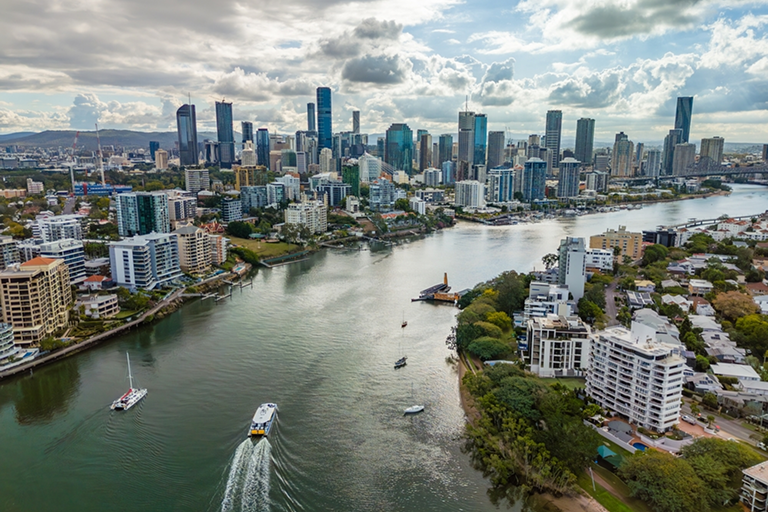
Price Growth and Demand
- Many forecasts suggest Brisbane unit prices will continue rising in 2026, although not as explosively as we have seen in recent years. Recent analysis by Domain indicates broad capital growth continuing into 2026, with strong demand and constrained supply supporting pricing.
- Some analysts predict price increases will slow sharply by the end of 2026, with unit prices rising only modestly (1.5-5%) compared to previous years’ where we have seen double-digit growth.
Market Drivers for 2026
- Strong population growth & migration: Brisbane continues to absorb interstate migrants, underpinning housing demand (including apartments). Also new immigrants into Australia settling directly into Brisbane.
- Tight rental markets: Vacancy rates remain low in many areas, keeping rental demand strong.
- Infrastructure and Olympics uplift: Major projects (Cross River Rail, Brisbane Metro, preparation for 2032 Olympics) are strengthening long-term confidence and supporting inner-city appeal.
- Supply constraints: Planning bottlenecks and construction costs are keeping new supply tighter than expected in some sectors, which supports price stability.
Looking Ahead into 2027
Growth Moderation Expected
- Most forecasts indicate slower, more sustainable growth in 2027 rather than sharp increases. Brisbane’s rapid gains in recent years are unlikely to be sustained at the same pace because:
- Affordability constraints are becoming a stronger limiting factor.
- Interest rates are expected to remain stable or tighten slightly, damping buying power.
- Supply catch-up in certain corridors could ease some pressure on price growth if new developments complete.
Demand Fundamentals Remain Intact
- Interstate migration & lifestyle appeal are long-term positives for Brisbane’s apartment market, particularly for inner-city, transport-connected, or Olympic precinct areas.
- Rental demand should stay firm given ongoing tight vacancy rates, supporting investor interest.
Risks & Considerations
Affordability and Purchase Barriers
- Continued price rises may limit first-home buyer participation in this apartment market if incomes and borrowing capacity don’t keep pace.
Varying Sub-Market Dynamics
- Inner-city apartments likely outperform outer fringe units due to proximity to jobs, amenities, and transport.
- Oversupply concerns can arise in areas with heavy development pipelines, particularly where lots of new units complete simultaneously. Some analyses suggest potential oversupply in specific segments, which could put pressure on values/rents in those pockets.
Investor/Buyer Implications
For Investors:
- Inner-city and Olympic precinct projects could provide stronger rental yields and capital growth.
- Tight rental markets and infrastructure expansion support long-term fundamentals.
For Owner-Occupiers:
- Affordability remains a challenge; locked-in rates and long-term holding views may help navigate cyclical price shifts.
For Developers:
- Focus on areas with genuine undersupply and transport connectivity to avoid localized oversupply risks.