
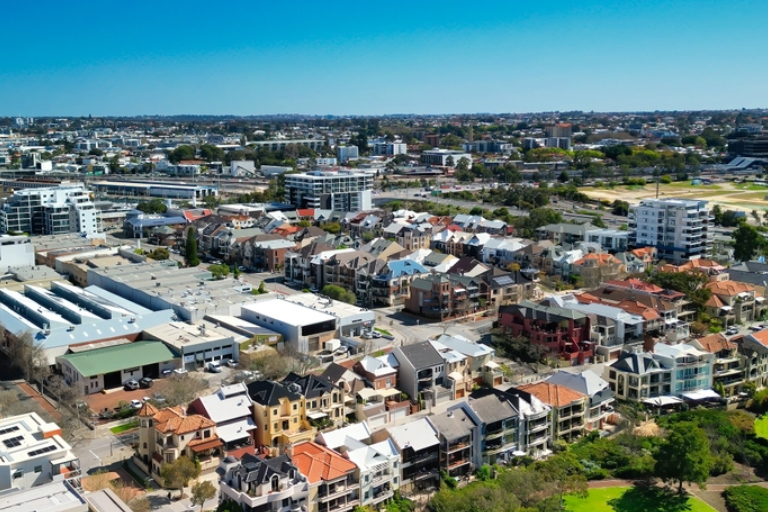
Expected costs when selling a Commercial Property
Selling a commercial property involves more than simply appointing an agent. Vendors should budget for a range of costs throughout the sales process to ensure a smooth transaction and maximise the property’s sale price.
Real Estate Agent’s Commission
The largest selling expense is usually the agent’s commission. This will be negotiated before the property is listed and typically ranges from 1.0% to 3.0% of the sale price, depending on the property’s value, complexity, market conditions etc.
Marketing and Advertising
A professional marketing campaign is usually essential to attract multiple qualified buyers. Marketing costs can range from $4,000 to $20,000+, depending on the property’s value and campaign scope. Typical expenses include:
- Professional photography and drone imagery
- Videography
- Online advertising
- Signboards
- Brochures and information memorandums
- Email marketing campaigns
Legal and Conveyancing Fees
A solicitor will need to be engaged to prepare/or review contracts and oversee settlement. Legal fees typically range between $2,000 and $6,000, although more complex transactions can incur higher costs.
Valuation and Professional Reports
While not usually required, many vendors obtain an independent valuation report before listing their property. Depending on the property type and complexity, valuations generally cost between $1,000 and $5,000. Vendors may also commission building, environmental or specialist reports where appropriate.
Mortgage Discharge Costs
If the property has an existing mortgage, the lender may charge discharge or settlement fees. Vendors should also confirm whether any early repayment or break costs apply, particularly for fixed-rate commercial loans.
Capital Gains Tax (CGT)
Investment properties may be subject to Capital Gains Tax, depending on ownership structure and the property’s history. While CGT is not payable at settlement, it can represent a significant future tax liability. Vendors should seek advice from their accountant before selling.
GST
Commercial property transactions can have GST implications. Depending on the property’s use, lease arrangements and purchaser, GST may apply or the sale may qualify as a Going Concern, potentially allowing the transaction to be zero rated for GST. Professional tax advice is strongly recommended.
Other Potential Costs
Additional expenses may include:
- Outstanding council rates, water charges and land tax adjustments
- Body corporate levies (where applicable)
- Repairs, maintenance or presentation improvements before marketing
- Vacant possession costs if tenants need to be relocated
- Accountant’s fees for taxation advice
Budgeting for a Successful Sale
As a general guide, vendors should allow approximately 2% to 5% of the property’s sale price to cover selling costs, although this can vary depending on the property’s value, marketing strategy and transaction complexity.
Obtaining advice from an experienced commercial real estate agent, solicitor and accountant before listing the property will help identify likely costs, avoid unexpected expenses and ensure the sale proceeds as efficiently as possible.
Disclaimer This article is general in nature, and outlines general market trends and a general analysis of one or more particular areas. This article should not be construed as providing financial advice (particularly as to whether a reader should or should not invest in a particular area). For financial advice we recommend that readers contact a licensed financial planner to obtain specific advice that takes into account their particular circumstances. Top Property Agents Australia Pty Ltd is not licensed to provide financial advice under the Corporations Act 2001 (Cth) and related legislation.